
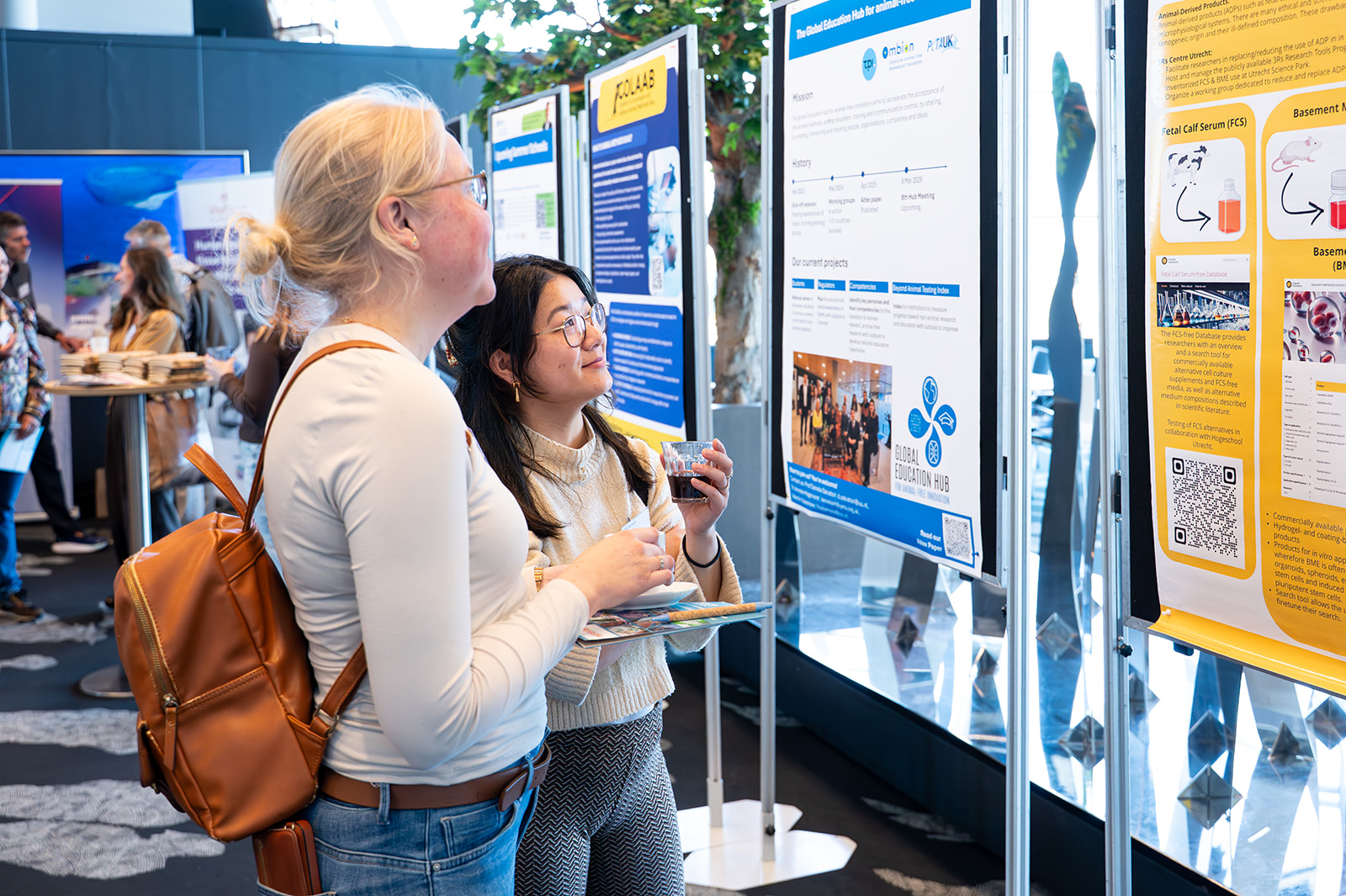
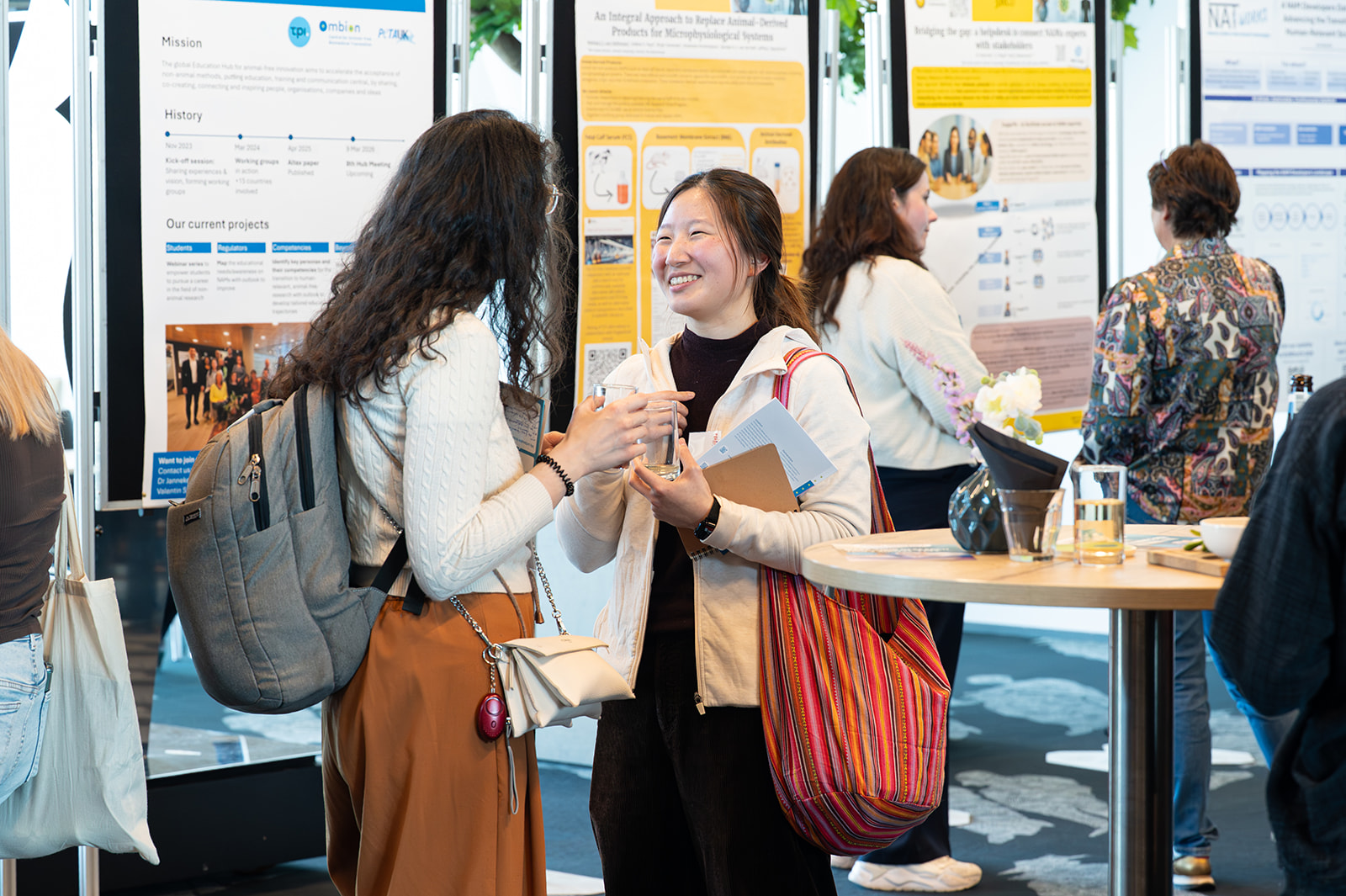
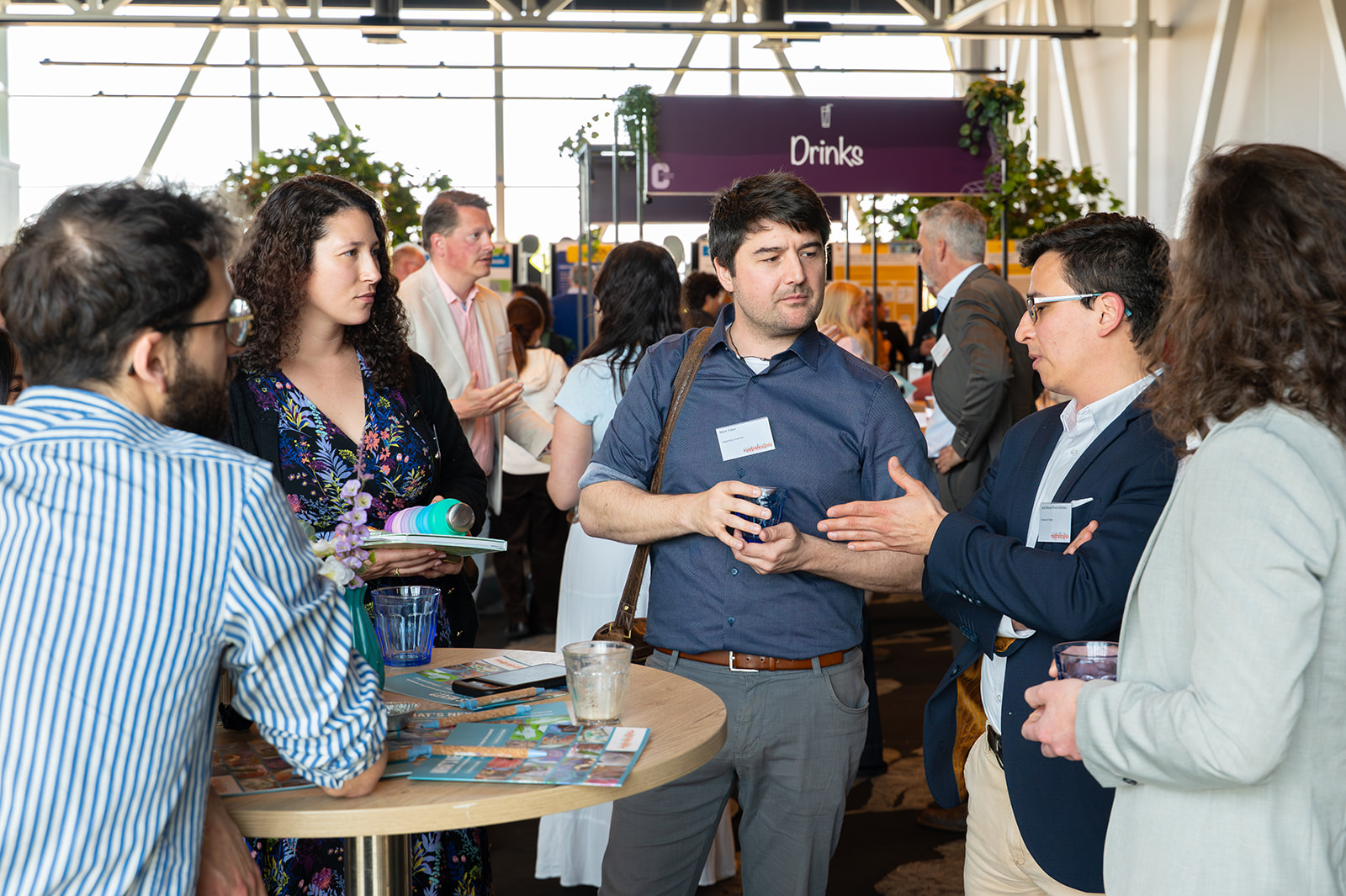
On World Day for Laboratory Animals (April 24), we organized our annual scientific event at CORPUS. Over 100 attendees from the world of science, business, and government enjoyed the impactful presentations and the opportunity to meet other specialists with an interest in animal-free innovation.
Within the theme ‘Order out of Chaos,’ we examined the situation of animal-free research in 2026 and inspired attendees to take their next steps towards scientific animal-free research. Highlights of the event included presentations by Debby Weijers and Jarrod Bailey, an information market, the animal-free escape room by the 3Rs Centre, and the announcement of the winner of the Proefdiervrij Venture Challenge 2026.
Debby Weijers: a lot of progress to be made
With an enthusiastic introduction, Debby Weijers – Director of Proefdiervrij and organizer of the event – kicked off the program, following a brief introduction by Research Advisor Anne Burgers from Proefdiervrij. Debby cited Jane Goodall as her inspiring example and urged the audience that there is still an enormous amount of work to be done to move towards an animal-free future.
Only if we understand, can we care. Only if we care, we will help. Only if we help, we shall be saved.
Jane Goodall (1934-2025)
Debby noted that the recently released (shocking) images of animal testing in the UK showed us all once again why we do what we do: to enable the transition to a future where scientific research without animal testing is the norm. The Proefdiervrij Event 2026 contributes to this by inviting scientists and other decision-makers to engage in dialogue, critically question existing methods, and take concrete next steps towards animal-free research.
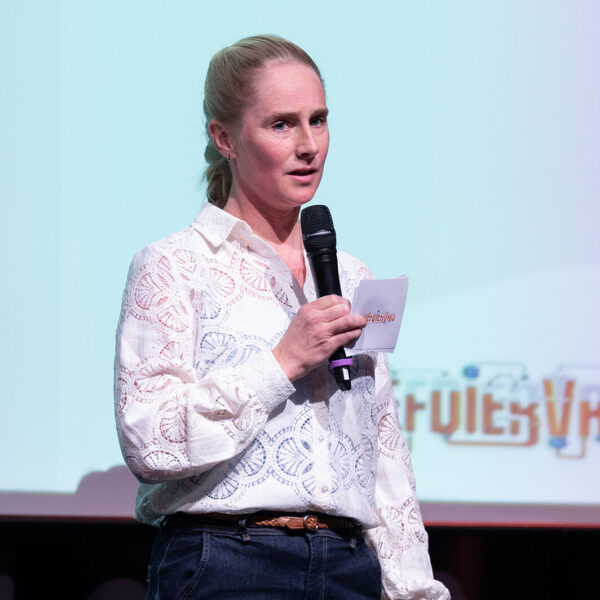
Debby Weijers
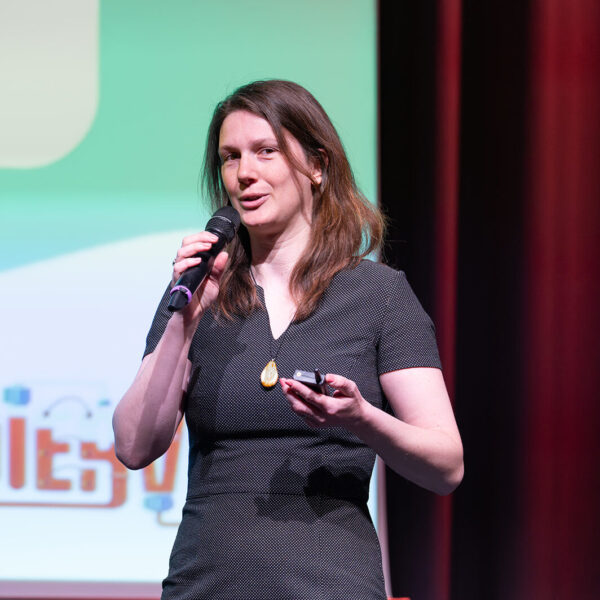
Anne Burgers
Jarrod Bailey: we must do what’s right
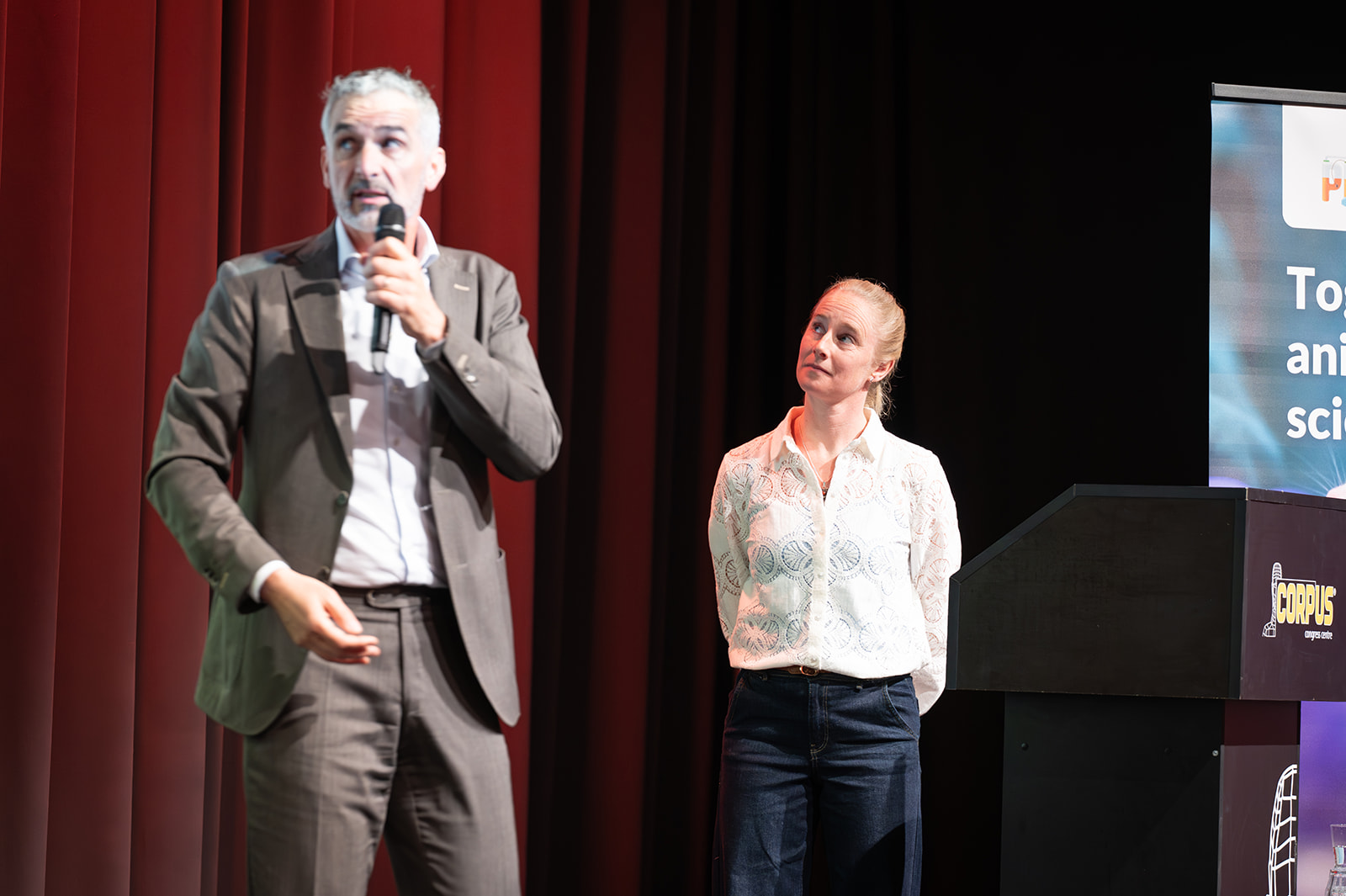
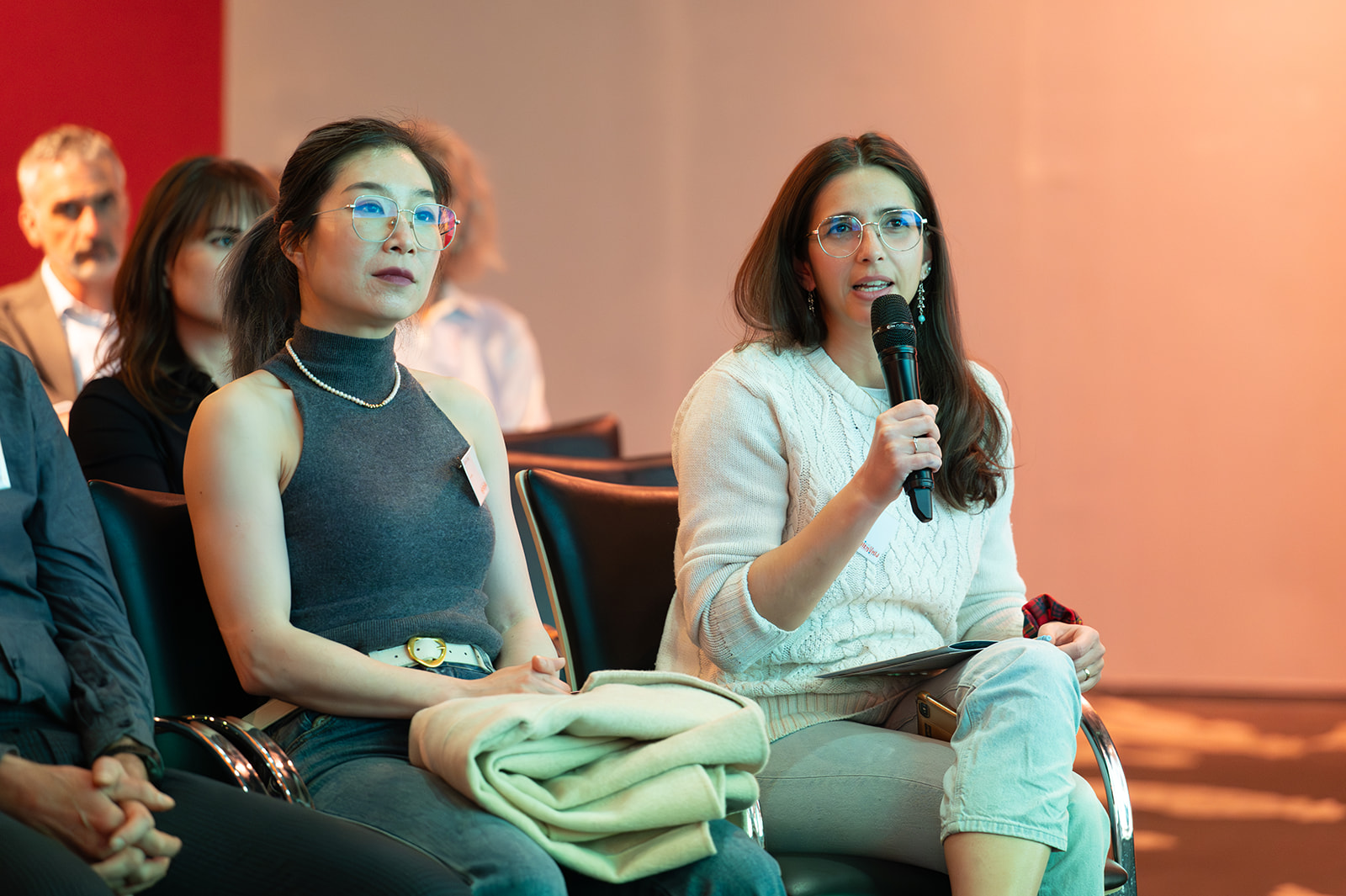
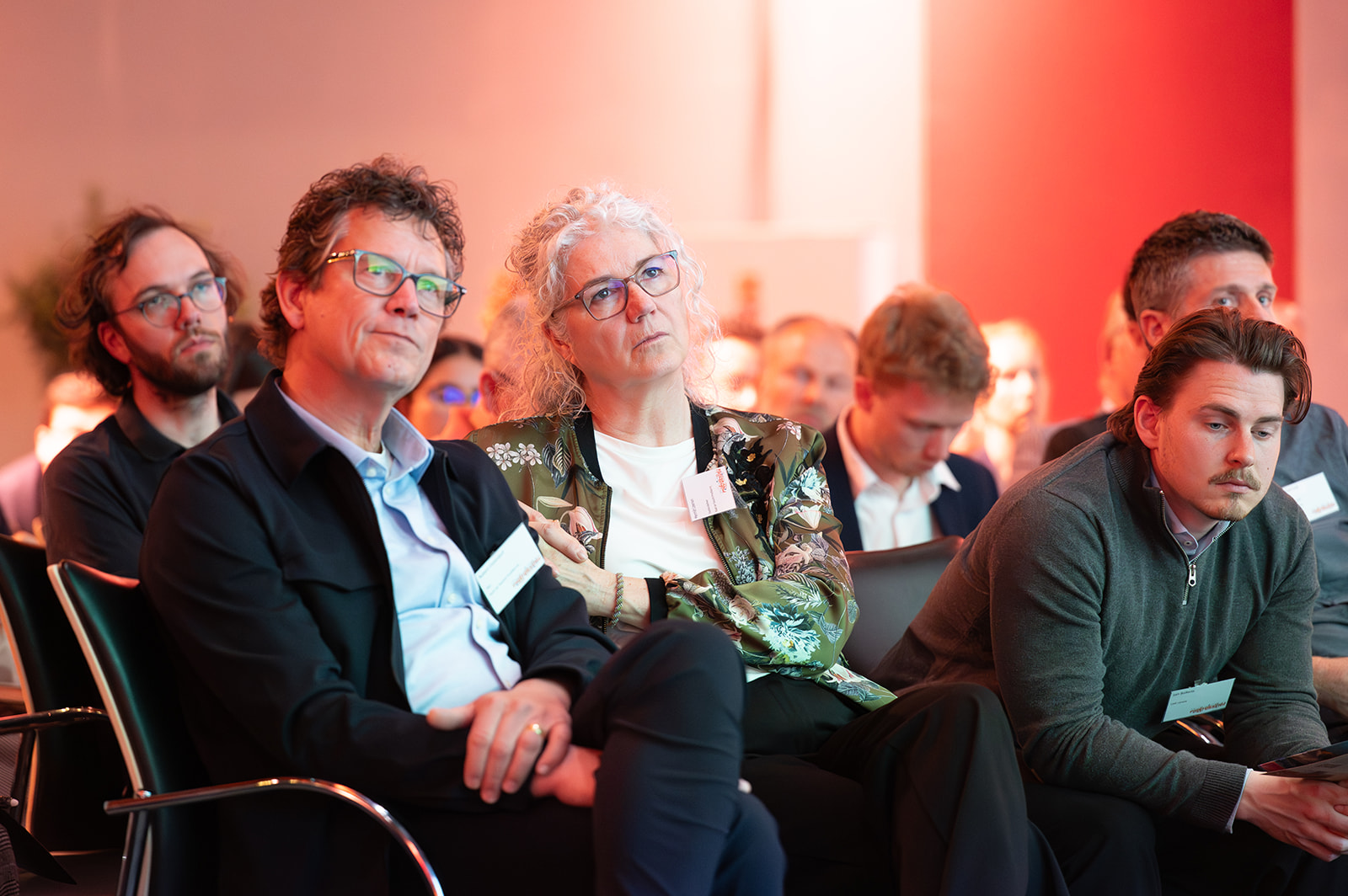
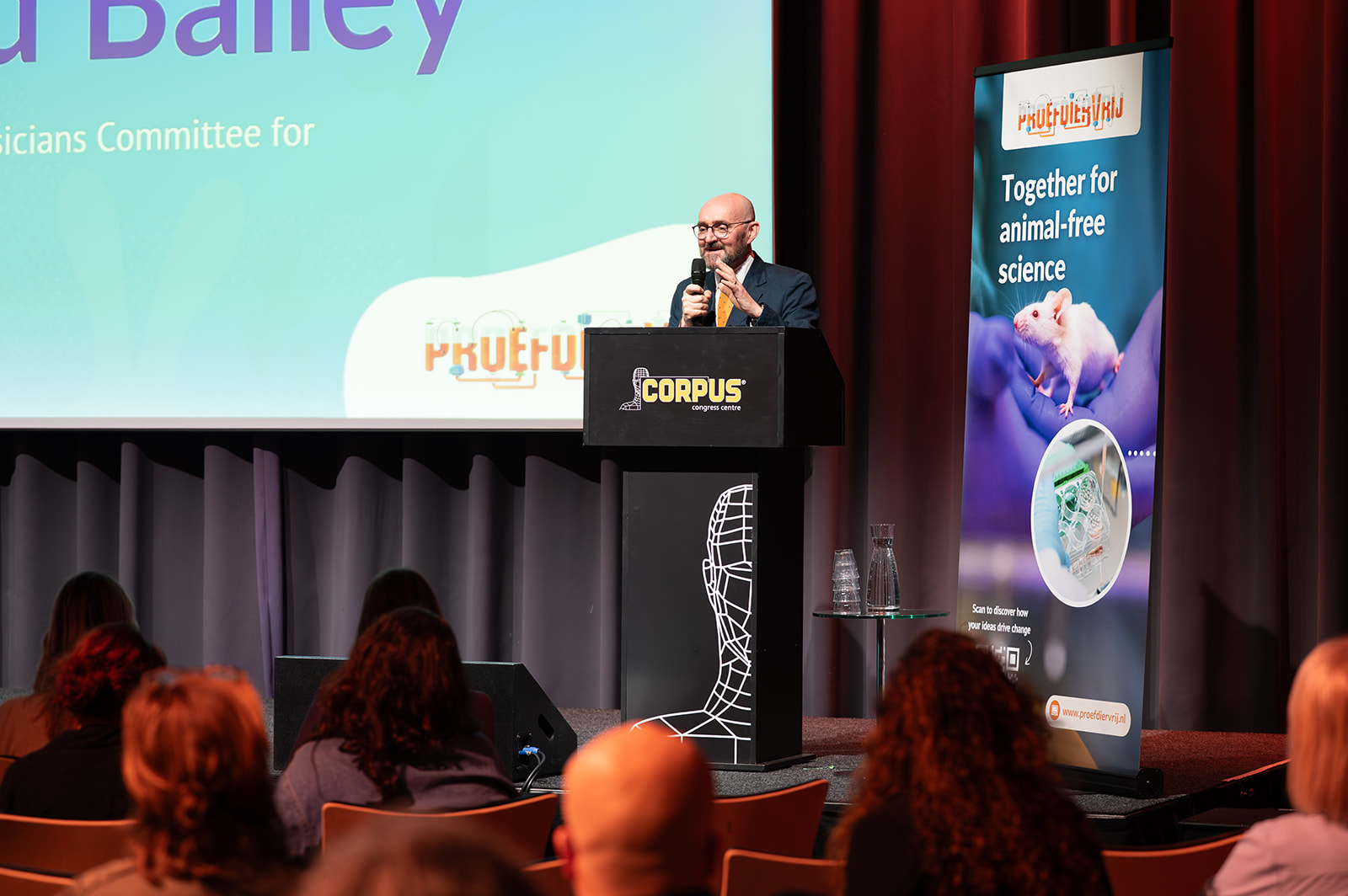
Following the presentation of Debby, the British Jarrod Bailey began his fiery speech regarding the position of laboratory animals in scientific research. Jarrod Bailey is Director of Medical Research at the American organization Physicians Committee for Responsible Medicine. His conclusion, when you put all the results side by side: medical science does not advance with animal testing. Research into major diseases of our time, such as Alzheimer’s and Parkinson’s, is stagnating because clinical trials of new developed medicine do not sufficiently align with human DNA and therefore the drugs developed fail in humans in 92% of cases. His plea: human models, such as organs-on-chips, are the way forward, and we must devote our time and attention to further developing them. That costs time and money, but yields greater returns for both humans and animals. Additionally, Bailey states: “We have to do what’s right,” because it has long been proven that animals suffer in research and captivity. Following his presentation, a lively discussion ensued in the room, during which the challenges of practice were discussed from various perspectives, as well as what practical solutions exist for researchers struggling to push forward their animal-free research.
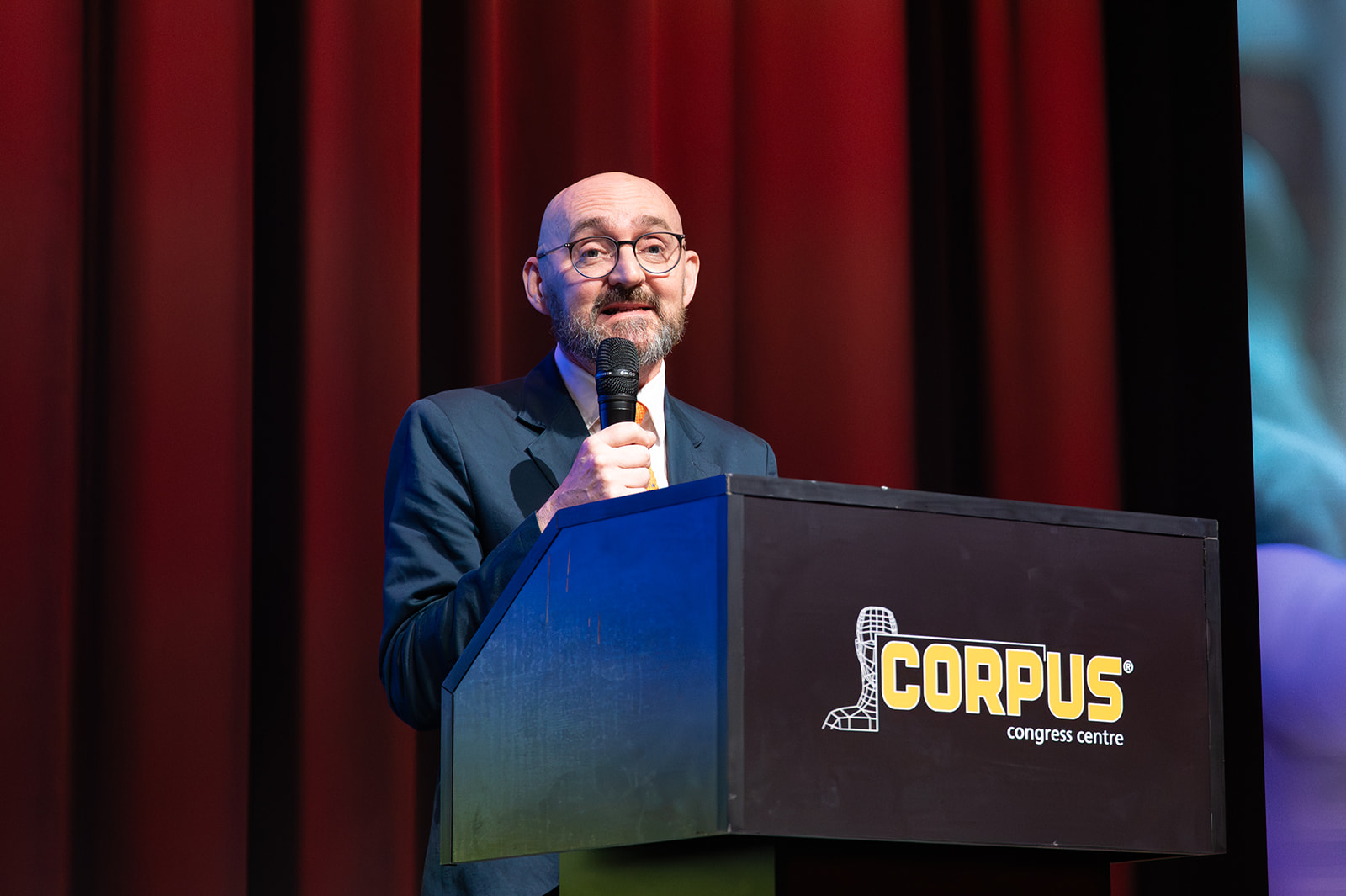
Jarrod Bailey
Proefdiervrij Venture Challenge 2026
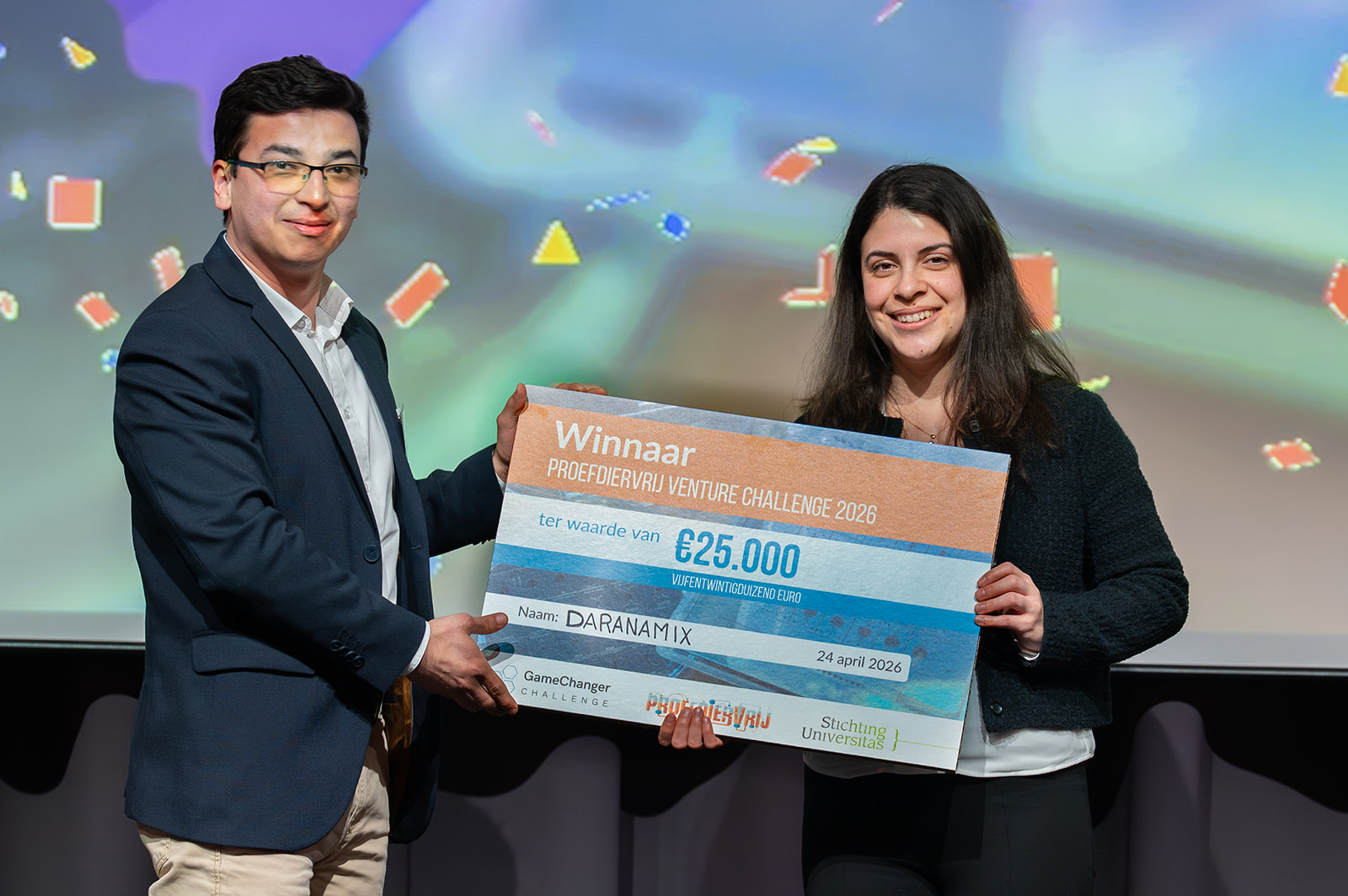
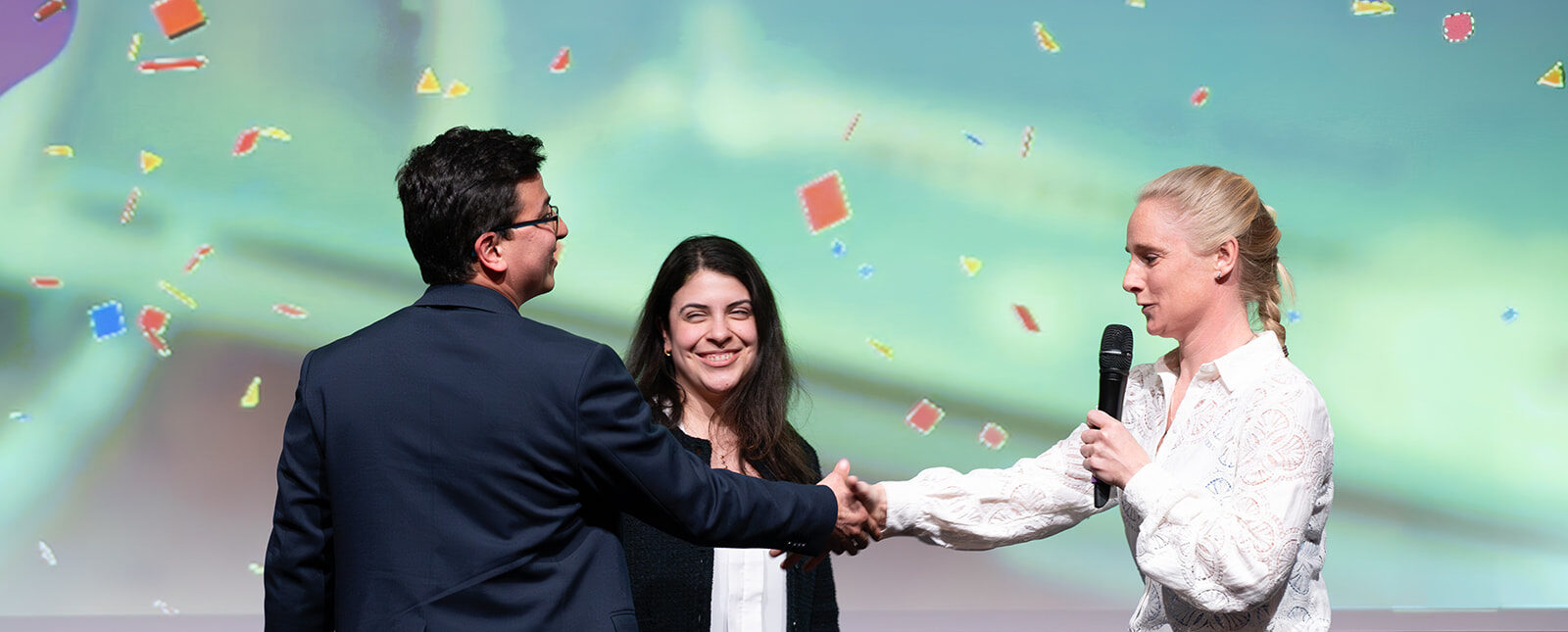
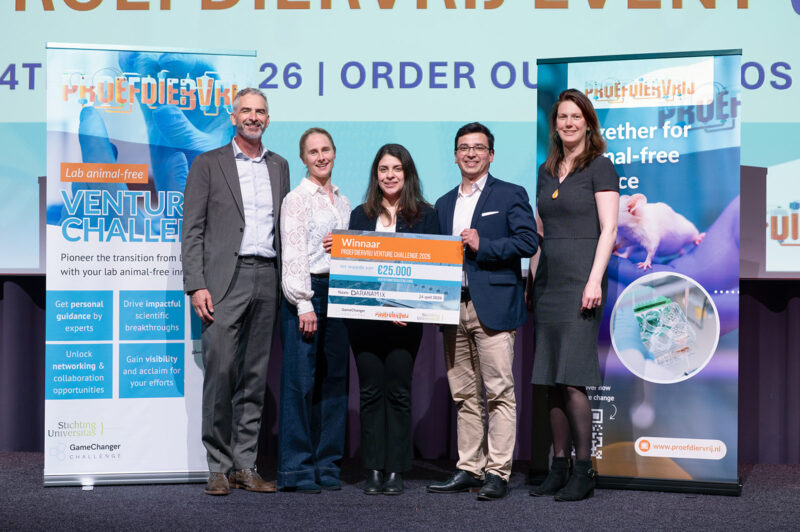
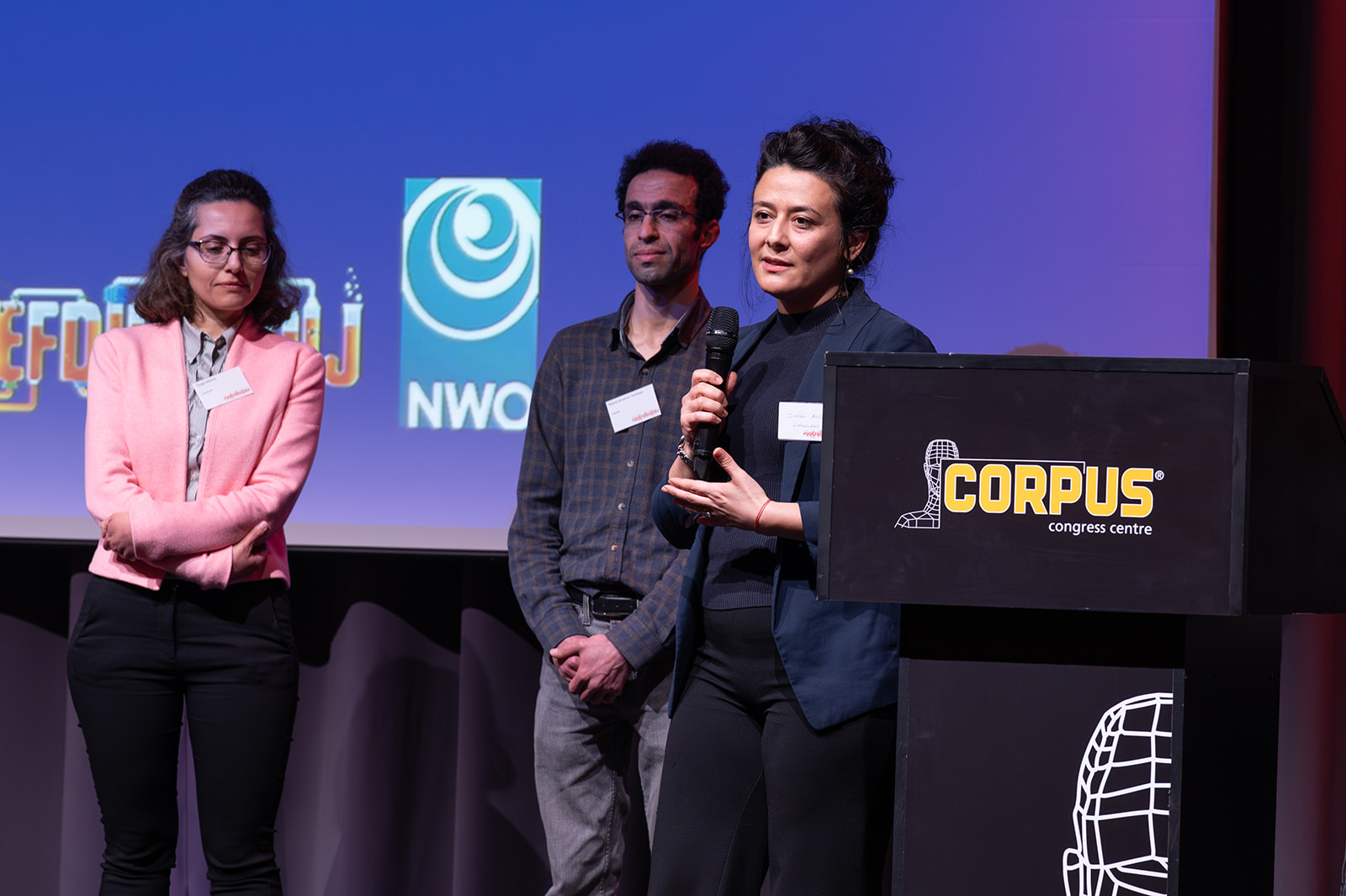
After several months of training and reflection on their business cases in intensive, multi-day bootcamps, only one of the 5 teams managed to secure the research prize of €25,000. The winner: Daranamix. With their valuable innovation, the Mutti-Heart-Plate, they are taking major steps towards animal-free research into heart disease. We would like to thank these researchers, as their efforts bring us one step closer to a future where animal-free science is the norm.
About Daranamix
José Manuel Rivera Arbeláez, Jana Hecking, Mariel Cano Jorge, and Robert Passier take us into the future: they have developed the Multi-Heart-Plate (MHP), a human-centered solution for discovering heart medicines and researching heart disease. MHP enables the standardized creation of multiple fluid-pumping heart chambers using reprogrammed stem cells. Combined with sensors that perform real-time measurements, MHP delivers clinically relevant measurement results. This enables safer, faster, and more predictive tests for the next generation of heart medicines.
Public Prize
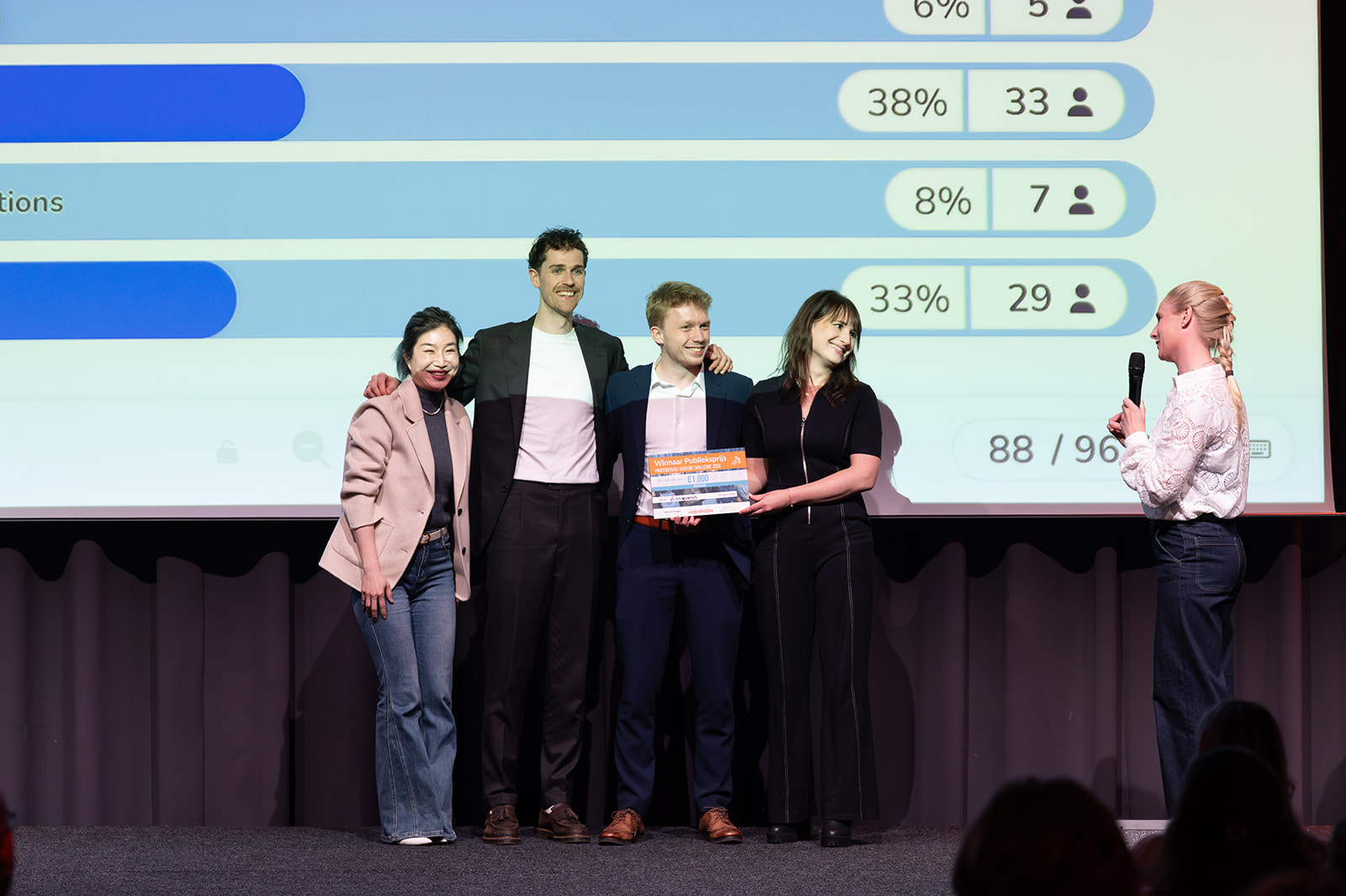
This year, we awarded a public prize for the first time, with a research budget of €1,000. Everyone in the room was allowed to vote after listening to the pitch presentations. With a majority of 38%, the prize went to ViroGenesis. We are incredibly proud of all participating teams in the Proefdiervrij Venture Challenge 2026. Their innovative ideas and dedication to animal-free research make a difference.
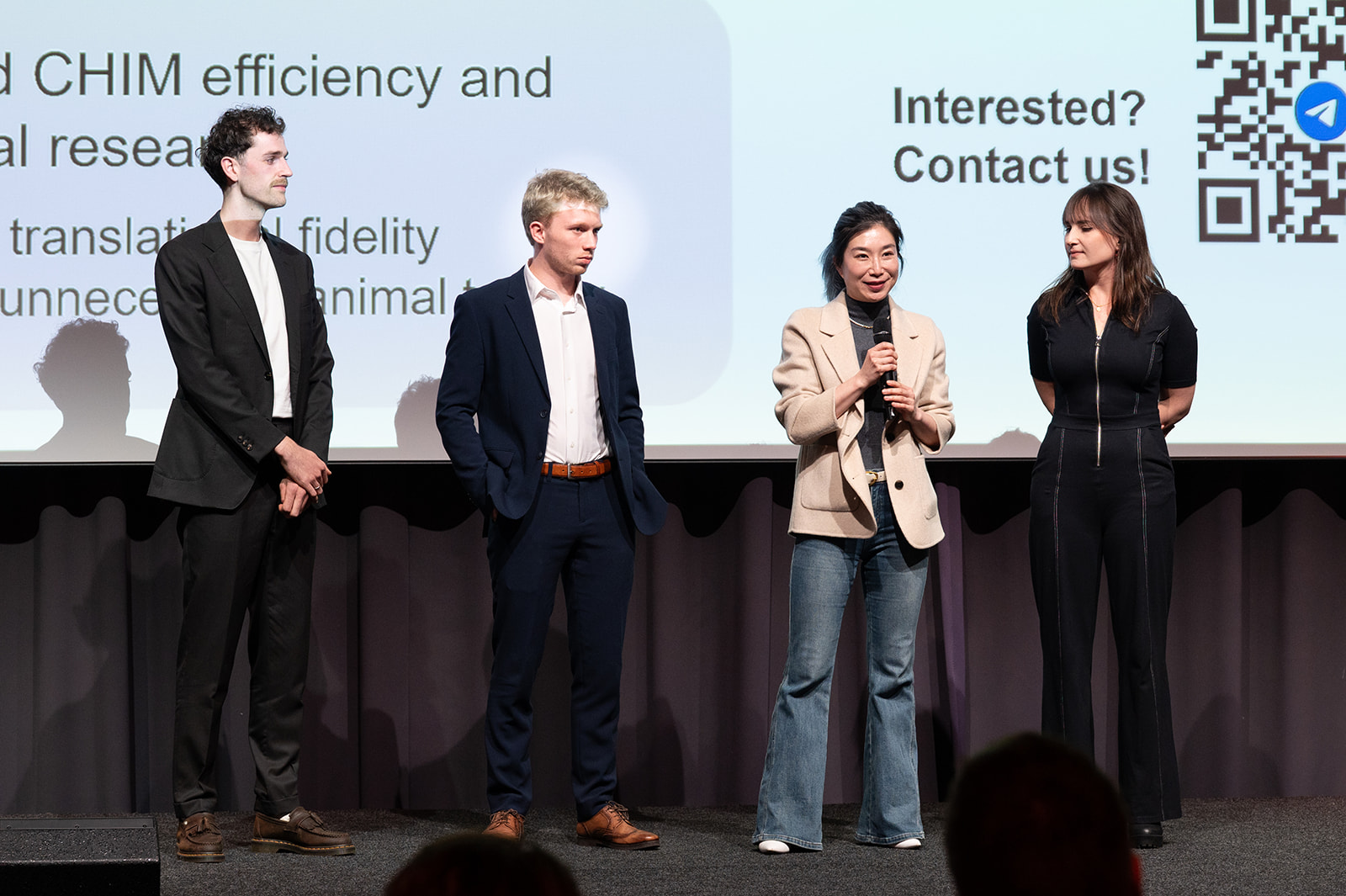
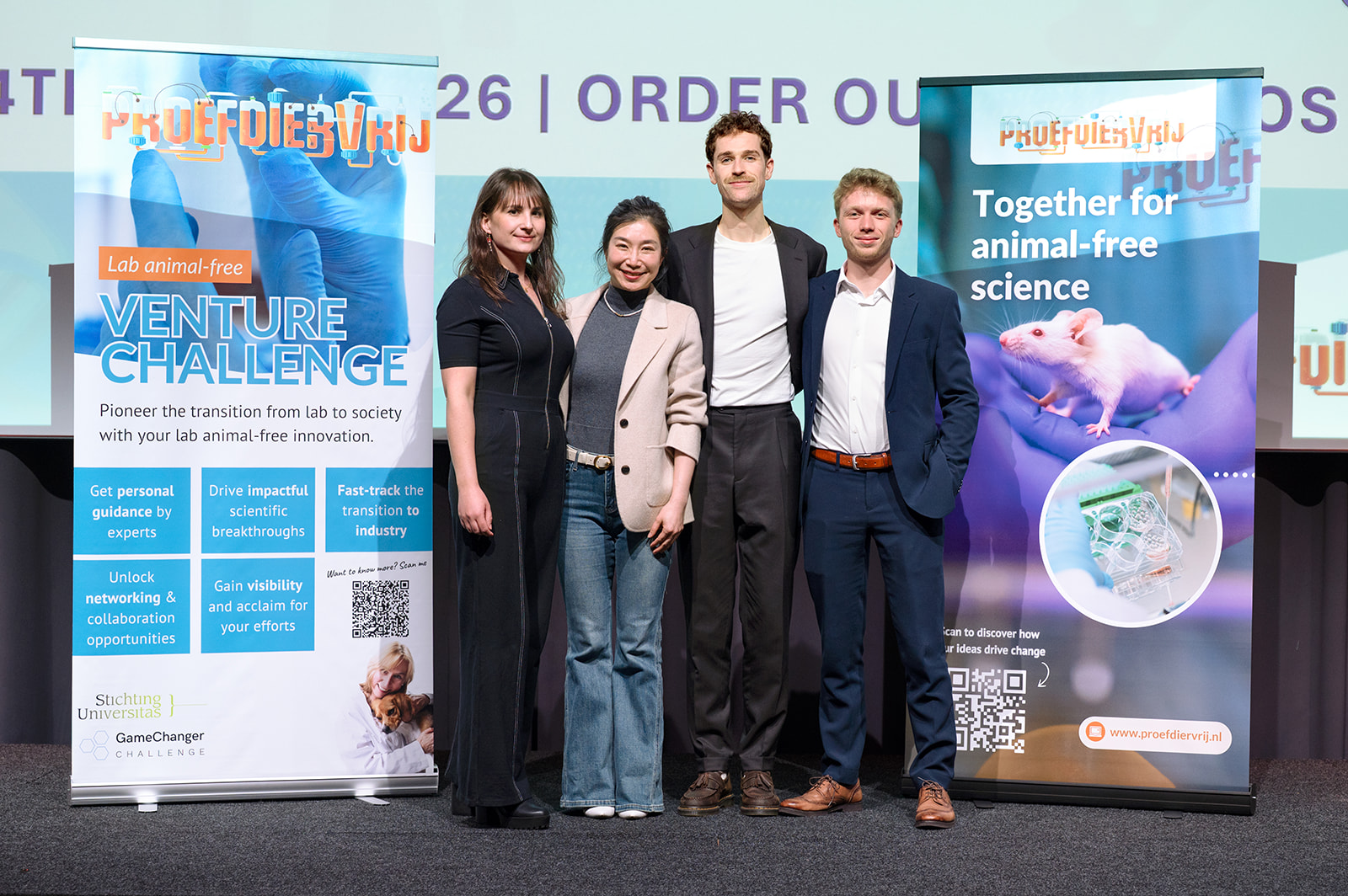
We thank GameChangers Math Kohnen and Chretien Herben for their valuable advice to all start-ups and Peter-Hans van der Nat (Stichting Universitas) for making the Proefdiervrij Venture Challenge 2026 possible.
About Proefdiervrij
We are committed to a world without animal testing. We work together with scientists, policymakers and companies to develop innovative research methods that do not use animals and better reflect human biology. By stimulating and funding animal-free innovations, we accelerate the transition to science without animal testing.
Discover more