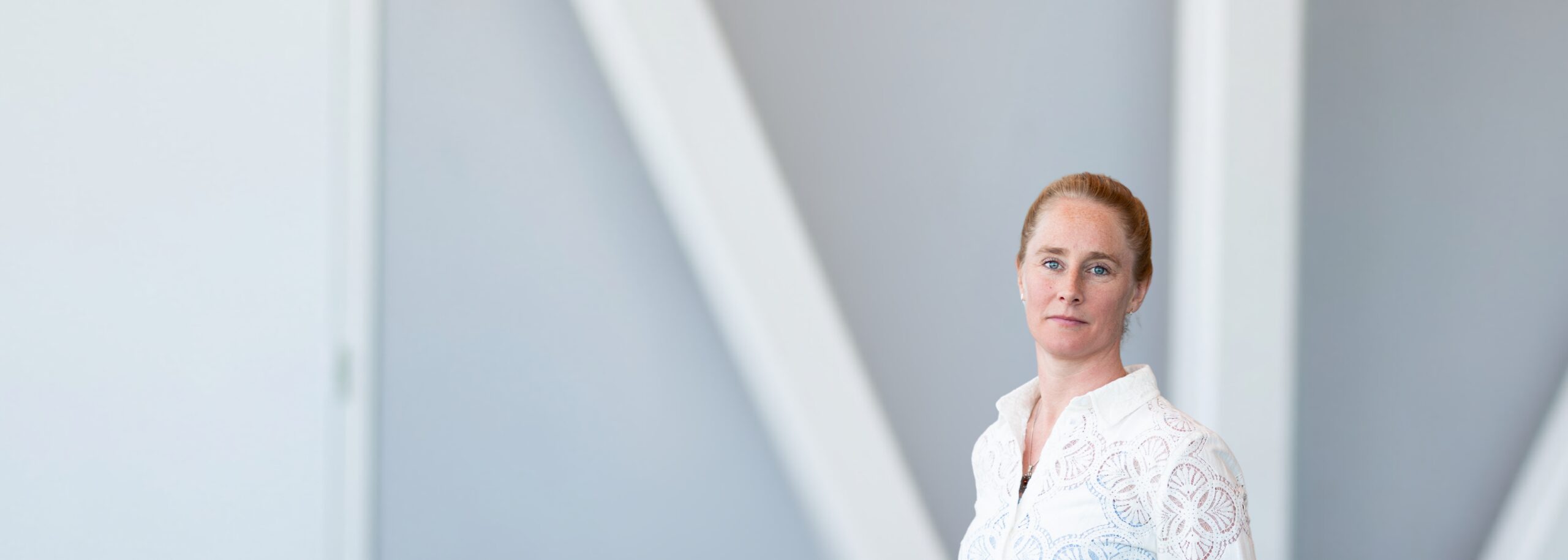

Inaugural lecture Anne Kienhuis
On December 9, 2026, at 4:15 PM, Anne Kienhuis will deliver her inaugural lecture at the Utrecht University Hall (Academiegebouw). Everyone with an interest in animal-free science is welcome to attend. Please note that advance registration is required; you can register here.
What is an inaugural lecture?
An inaugural lecture for a professorial chair is a ceremony in which a newly appointed professor presents their scholarly vision. The lecture typically lasts half an hour and takes place in the university’s auditorium. The professor outlines their perspective on the field of study, as well as its future directions. It serves as an important occasion for the professor to share their expertise and engage with the academic community.
Which chair are we talking about?
Anne Kienhuis is Professor of Toxicology in Transition at Utrecht University and also works at the RIVM. Her chair, which runs from January 2026 through the end of 2029, focuses on the question: how can we ensure that human-centric, animal-free methods are not only developed, but also trusted, approved, and genuinely used in safety research?
Who take part in the chair?
Utrecht University, the RIVM, and Proefdiervrij are jointly organizing this academic chair. It is a truly unique initiative: for several years, dedicated research into animal-free science will be conducted on a weekly basis. As partners, we each bring something different to the table: scientific expertise, experience with risk assessment and regulation, and the societal drive to make animal-free science the standard. The chair is funded by the RIVM and Proefdiervrij, with our contribution supported in part by the Arie Pais Fund.
What can we expect from Anne Kienhuis?
An inaugural lecture is much more than just a celebratory speech. As a professor, Anne Kienhuis is responsible for:
- delivering a visionary and well-founded inaugural lecture that addresses the core of the field and future research directions;
- representing the discipline both within and outside the university—for instance, in policy debates and public discussions;
- fostering interdisciplinary research and collaboration;
- mentoring doctoral candidates and early-career researchers, while cultivating an inspiring environment for academic growth;
- contributing to educational innovation and quality assurance within the department.
Want to read more?
We spoke to Anne Kienhuis about her new role. Read the interview here.
About Proefdiervrij
How we treat animals reflects who we are as a society—especially when those animals are used in research aimed at improving human health. Proefdiervrij is working towards a world without animal testing by highlighting and accelerating human-centric, animal-free science.
That shift is already underway. Animal experiments are increasingly being replaced by human-centric models that provide a better picture of what happens inside the human body. Yet, animal testing often remains the standard. With 2030 as our target on the horizon, we are working towards a tipping point where animal-free methods become the norm. In doing so, we help move away from outdated practices and build a research landscape that benefits people without the unnecessary use of animals.
It is time for humanity. The future is animal-free!
Discover more